Topic overview
Begin with definitions instead of assumptions
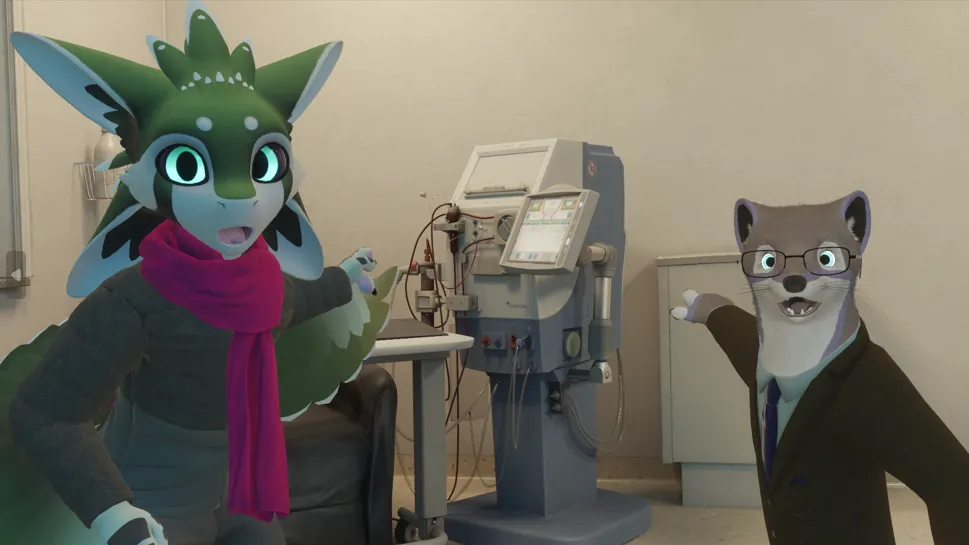
The word pup can describe a canine furry character, a social nickname, an avatar style, a form of playful expression, or an identity connected to the separate adult human-pup subculture. A person may relate to one meaning, several, or none. Clothing, collars, bandanas, hoods, barking, and canine avatars do not provide a reliable dictionary for a stranger to decode someone else's private interests. The guides in this collection explain the overlap while keeping the differences visible.
That distinction matters in an adult safe-for-work publication. Mello Zone can acknowledge adult culture, history, and identity without publishing explicit instruction or treating an 18+ label as permission for sexual content. Educational context should help readers navigate a community boundary; it should not turn people into curiosities or invite questions they did not consent to answer. Articles therefore state their scope and separate community practice from private adult activity.
Belonging should not require a costume or performance
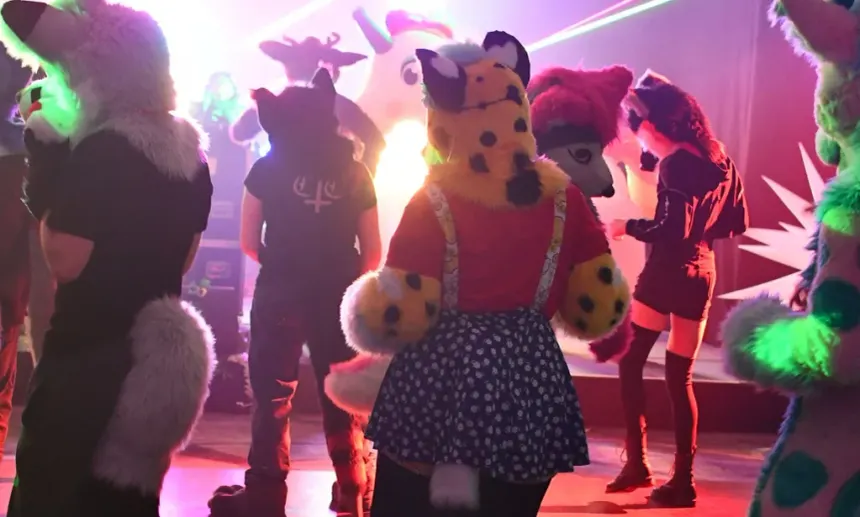
A newcomer does not need a pup hood, collar, fursuit, commissioned avatar, pack role, voice-chat performance, or public disclosure to participate respectfully. Text chat, a simple canine profile, art appreciation, event attendance, or quiet observation can all be valid entry points. Gear may be meaningful, handmade, expensive, difficult to clean, or connected to a person's identity, so organizers should publish photography and touch rules and members should ask before handling it.
The same principle applies online. A visible avatar toggle is not permission to activate it, a public profile is not permission to move into private messages, and a community nickname is not permission to impose role-play. Clear consent practices are ordinary social infrastructure, not an accusation that every interaction is dangerous. They let playful expression remain playful because people can predict how their boundaries will be treated.
Use privacy and platform controls before trust is tested
Small identity-rich communities can feel close very quickly. That warmth can encourage people to share legal names, locations, relationship details, workplaces, or linked accounts before they understand who can see the information. Start with a community-facing identity where appropriate, review direct-message settings, verify official invitation paths, and learn the block and report controls for Discord or VRChat before an incident occurs. Moderators should collect only what they need for a stated purpose.
This cluster moves from definitions to decisions: compare furry pups with human pup and pet-play terms, evaluate a community before joining, understand common gear without universalizing its meaning, and plan safer VRChat participation. It complements the broader adult-SFW, Discord privacy, VRChat safety, creator attribution, and event-hosting collections. None of these pages can certify that a particular person or group is safe, but they give readers observable practices to evaluate.