Mello Zone

History + Community

Furry Community Guide

Learn what furries are, how the fandom grew, and how Mello Zone is building an intentional 18+ SFW community around belonging, creativity, and trust.

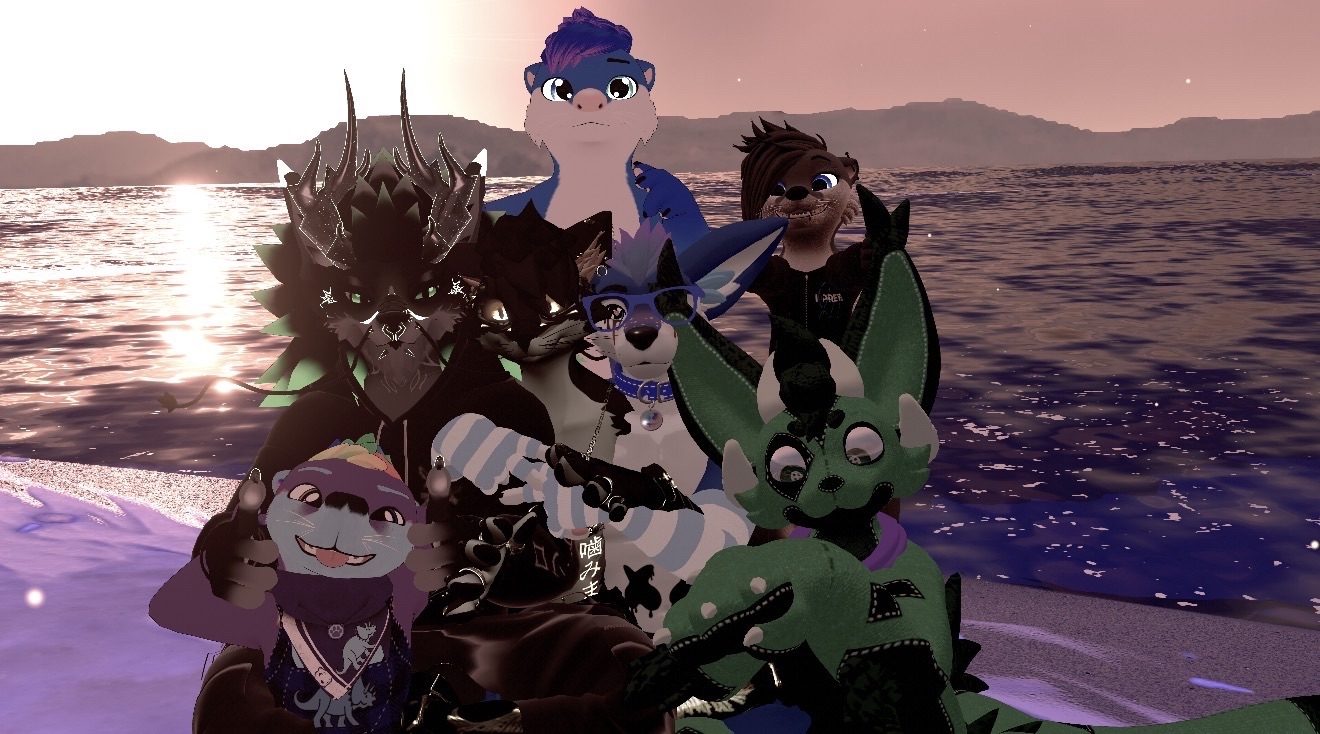
Mello Zone members posing together during a VRChat community meetup
The fandom before the server

Furry is a creative culture with a long memory.

Furry fandom did not begin with one app, one convention, or one kind of participant. It grew through art, small-press publishing, science-fiction and comics circles, conventions, online worlds, games, and people discovering that an unusual interest could become a community.

Mello Zone is one young home inside that much larger history. We do not claim to represent the whole fandom. We are building one intentional 18+ SFW corner where furry, pup, LGBTQ+, creator, gaming, and VRChat members can participate without proving their worth first.

Explore the CommunityRead Our Shared Standards
Creative culture
Art, stories, avatars, games, performance, costuming, and world building all belong to the wider picture.
Social connection
Local groups, conventions, online platforms, and social VR help people find one another across distance.
No audition required
A fursuit, finished fursona, creator following, or premium avatar is never the price of admission here.
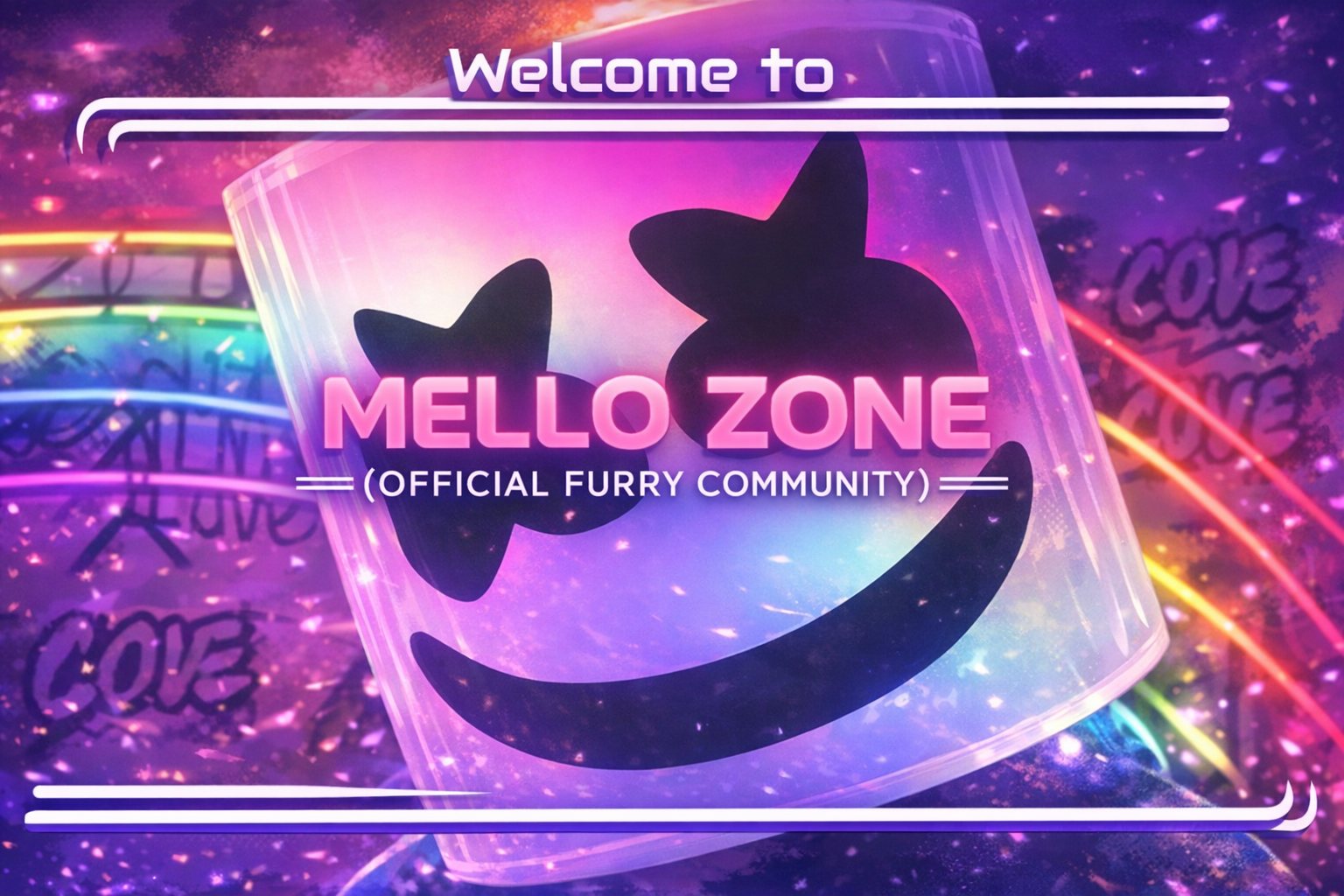
Colorful Mello Zone welcome artwork introducing the furry community

One home in a much larger fandom

Mello Zone began in January 2026 with a small member base and a large design question: what would a friendlier community build before it tried to become a bigger one?

A brief history

No single date explains the whole fandom.

Furry history is best understood as a sequence of creative and social connections. The milestones below use academic, research, and primary convention sources rather than treating one popular retelling as the final word.

  1. 1970s

    Creative roots in fan art and small press

    Academic fandom history traces furry practices to 1970s art, zines, costuming, fan fiction, and neighboring science-fiction and comics communities. The culture grew through people making and sharing work before it had one clean label.

    Source: Transformative Works and Cultures
  2. 1980s

    Fans begin gathering as a distinct community

    The ConFurence archive records furry parties at science-fiction and comics conventions in 1986. Those meetups gave people with a shared interest in anthropomorphic characters a place to find one another under a more recognizable community identity.

    Source: The ConFurence Archive
  3. 1989-1997

    Dedicated conventions become lasting landmarks

    ConFurence Zero tested a furry-specific convention in 1989. Anthrocon began in 1997 and later moved to Pittsburgh, showing how small gatherings could become durable institutions without replacing the many local and online forms of fandom life.

    Source: Anthrocon History
  4. Internet era

    Distance matters less when the community lives online

    FurScience research describes online interaction as a crucial part of furry social life, especially because many community members do not live in the same city. Forums, chat, games, creative platforms, and later social VR widened the doorway.

    Source: FurScience social interaction research
  5. Today

    A global fandom with many local homes

    FurScience describes furry fandom as a global community spanning online, local, and international settings, with hundreds of local groups and dozens of conventions. No one server, convention, creator, or organization represents all of it.

    Source: FurScience: What is a furry?
What furries are

The fandom is broader than its most visible costume.

FurScience describes furries as a diverse community of fans, artists, writers, gamers, and roleplayers connected by an interest in anthropomorphic animal characters. A fursona is common. A fursuit is optional. Creativity and connection take many forms.

Read the FurScience introduction

Interest in anthropomorphic characters

Furries are people who enjoy animal characters with human traits, personalities, stories, clothing, language, or social roles. The interest can appear through art, animation, games, writing, roleplay, costuming, and community life.

Creative participation, not one required hobby

Some members draw, write, build avatars, make music, stream, dance, volunteer, moderate, game, or attend conventions. Others participate quietly by talking with friends and supporting creators.

Fursonas are common, not an entrance exam

Many furries create a fursona, an anthropomorphic character used for self-expression or community identity. Mello Zone does not require a finished character, commissioned reference sheet, or public persona to belong.

Fursuits are visible, not the whole fandom

Costuming is one recognizable part of furry culture, but membership does not depend on owning a fursuit. Art, friendship, games, online worlds, performance, writing, and shared interests are equally real ways to participate.

A decentralized community

The fandom has no single central authority. Local groups, conventions, artists, online platforms, and social circles build their own traditions while remaining connected by an interest in anthropomorphic creativity.

Belonging can matter as much as the aesthetic

For many people, furry fandom is both a creative interest and a social home. That makes clear expectations, consent, credit, accessibility, and newcomer treatment part of the culture rather than administrative afterthoughts.

Fandom in motion

Furry culture becomes real through participation.

A definition can explain the shared interest. The culture becomes easier to understand when people can see the art, gatherings, games, care, and collaboration that grow around it.

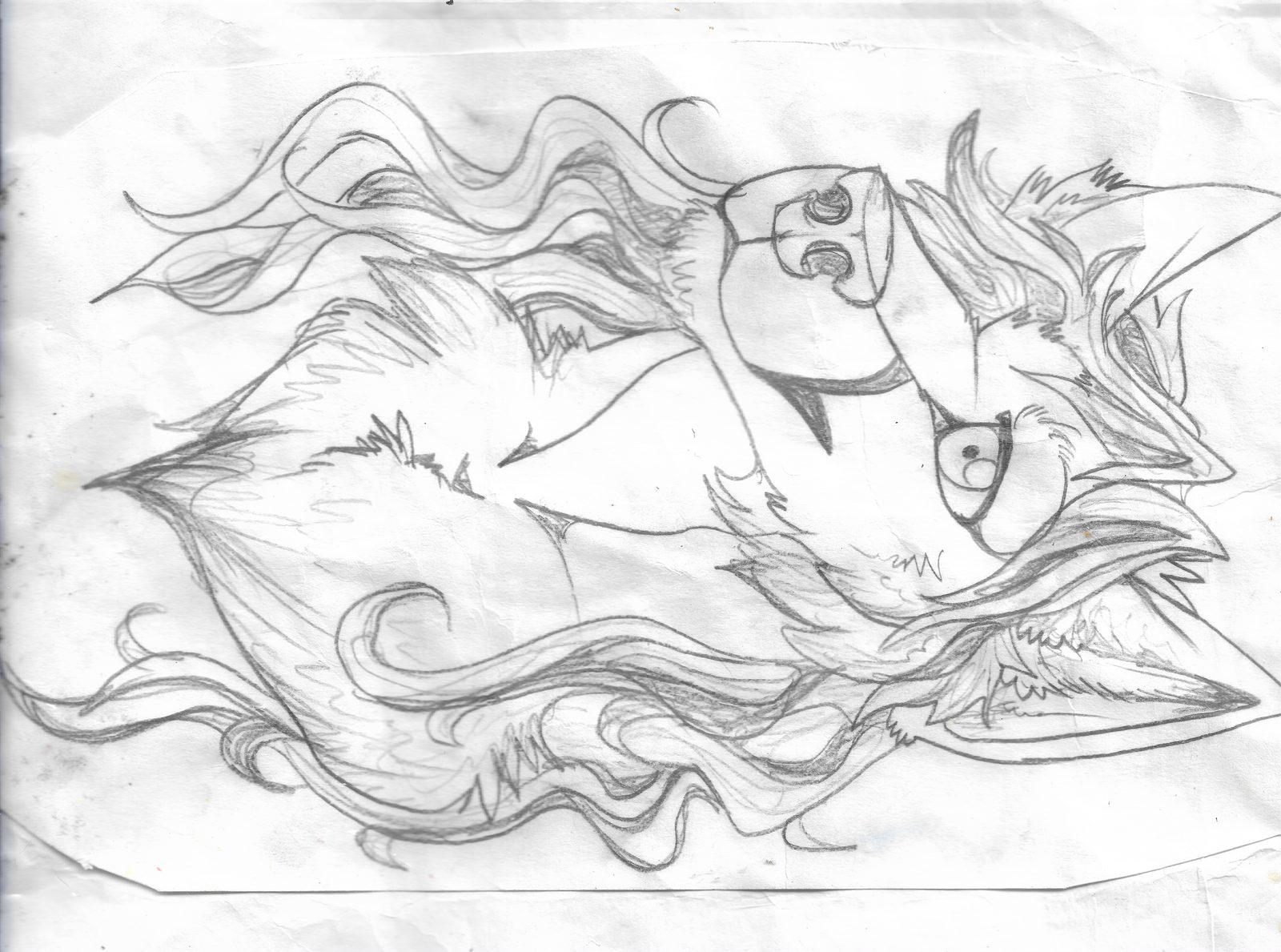
Community artwork representing furry creativity and shared character expression

Create

Art makes the culture visible.

Illustration, writing, music, photography, avatars, costumes, and world building give people many ways to contribute without needing the same skill set.

Mello Zone members gathered together during a VRChat community meetup

Gather

Online spaces can become real social homes.

Discord and VRChat help geographically scattered members talk, play, create, and build friendships that are not limited by one city or convention weekend.

Community members participating in a shared furry gaming event

Participate

Belonging grows through things people do together.

Games, meetups, creator sessions, quiet socials, and newcomer-friendly events turn a shared interest into a community rhythm.

Where Mello Zone fits

A small community can choose intention before momentum.

Low numbers are not proof of success, and they are not a reason to pretend the room is fuller than it is. They are an opportunity to set habits early, notice people directly, and build the public systems that rapid growth often leaves until later.

That advantage only exists when staff follow through. A small server can still become cliquish, inconsistent, or unsafe. Mello Zone's goal is to use its current scale as a workshop for the friendlier fandom home it wants to become.

Learn Why Mello Zone ExistsReview Our Public Progress

Names before metrics

A smaller group has a better chance to notice who is new, who has been quiet, who needs direction, and who is contributing without turning every interaction into a popularity contest.

Culture before scale

Rules, consent language, creator credit, event habits, and staff accountability can be established before rapid growth makes every correction harder and more disruptive.

Feedback travels faster

Members can point out a confusing page, inaccessible event, broken process, or missing resource and see whether the community actually responds rather than watching the concern disappear into a large hierarchy.

Early members can shape traditions

A developing community gives people room to help define event formats, creator features, welcome rituals, resource priorities, and the kind of atmosphere future members inherit.

Foundation already in place

What Mello Zone has built so far.

These are systems that exist publicly now. They are not claims that every goal is finished or that a written policy guarantees a perfect experience. They are the foundation members can inspect, question, and help improve.

A public source of truth

The website collects official community information, platform links, policies, guides, corrections, and support paths so newcomers do not have to trust a copied invite or private message first.

An 18+ SFW operating model

Adult membership and safe-for-work shared spaces are explained separately, with visible rules for conduct, direct messages, privacy, age verification, advertising, and content boundaries.

Safety, reports, and review

Private reporting, a public Safety Center, verification guidance, and an appeal path give serious concerns somewhere to go beyond public argument or informal staff messages.

Creator and editorial standards

Creator guidelines, attribution rules, an editorial policy, author pages, and a growing blog help Mello Zone support creative work without treating permission and credit as optional decoration.

Connected community doors

Discord, VRChat, Telegram, the public website, events, and future projects serve different jobs while sharing the same baseline around consent, respect, and accountable participation.

The next wave we are aiming for

A fandom home that feels easier to come back to.

Mello Zone's practical goal is not to become the loudest server in the fandom. It is to help model a more welcoming kind of growth: clear enough for newcomers, accountable enough for trust, and flexible enough for people to create without being sorted by status first.

Make the first hello easier

Build newcomer guidance that explains furry vocabulary, community expectations, platform choices, and participation options without assuming people already know the unwritten rules.

Enter the Community Hub

Set a friendlier inclusivity standard

Show that inclusion can be warm and specific at the same time: welcoming harmless difference, protecting boundaries, supporting LGBTQ+ adults, and refusing harassment, exploitation, and coercion.

See the Community Standard

Grow events that feel human-scale

Develop VRChat meetups, games, creator sessions, and low-pressure social formats where quieter members can participate without competing for attention or performing a perfect identity.

Explore Event Formats

Lift creators without clout gates

Create permission-first features, attribution practices, collaboration guidance, and application paths that value useful work and community conduct instead of follower count alone.

Discover Creator Paths

Publish practical fandom resources

Continue building sourced guides about furry and pup community life, VRChat, conventions, safety, privacy, gear etiquette, creator credit, and community operations.

Browse the Resource Library

Stay accountable while growing

Keep corrections, policy changes, support limits, progress, and future goals visible so growth does not require pretending the community is larger, older, or more complete than it is.

Review Transparency

Sources and continued reading

Follow the history back to the people who documented it.

This page uses a short history on purpose. These sources provide the deeper academic, research, and convention record behind the summary.

Transformative Works and Cultures

Furry fandom, aesthetics, and fannish history

An open-access academic article that situates furry practices in 1970s fan art, costuming, fan fiction, and adjacent fandom spaces.

Open the original source

The ConFurence Archive

ConFurence background

A primary archive describing furry parties at conventions in 1986 and the test of ConFurence Zero in 1989.

Open the original source

FurScience

What is a furry?

A research-based introduction to furries, fursonas, costuming, creative participation, and the fandom's global structure.

Open the original source

FurScience

Social interaction in furry fandom

Research on the importance of online interaction and geographically distributed friendships within furry community life.

Open the original source

Anthrocon

Anthrocon history

The convention's official history from its 1997 beginning through its long-running home in Pittsburgh.

Open the original source

Come home without an audition

Bring your fursona, your pup energy, your art, your games, or just your first hello.

The next chapter is not written by one founder or one popular creator. It is shaped by the people who show up, respect the room, contribute what they can, and help make the next person feel less lost.

Join Mello Zone DiscordExplore Community Events

Fandom context and community direction

A sourced doorway into furry culture and one young community within it.

The furry fandom existed long before Mello Zone and remains far larger than any single website, convention, Discord server, creator, or social circle. This route gives newcomers a short, sourced history of that culture, explains common forms of participation without treating one expression as mandatory, and then places Mello Zone honestly inside the wider landscape as an 18+ SFW community founded in 2026.

History without a single origin myth

Furry culture developed through overlapping art, small-press publishing, science-fiction and comics circles, costuming, fan fiction, conventions, online communities, games, and social worlds. The page links academic, research, and primary convention sources so readers can follow the record beyond a compressed timeline.

Participation without a costume requirement

The shared interest centers on anthropomorphic animal characters, but members participate through many combinations of art, writing, music, roleplay, gaming, avatars, costuming, volunteering, friendship, and community work. Fursonas and fursuits are visible traditions, not entrance exams or measures of authenticity.

Small numbers as a responsibility

Mello Zone does not present early scale as proof that it has solved community life. A smaller membership can make it easier to notice newcomers, test support pathways, respond to feedback, establish creator-credit habits, and correct weak processes before growth adds distance. That advantage exists only when staff listen and follow through.

Public foundations before bigger claims

The community has already published an About page, complete rules, verification guidance, private report and appeal paths, creator standards, an editorial policy, public resources, official platform links, and a growing body of practical guides. These are inspectable foundations, not a promise that written systems make every experience perfect.

A friendlier wave built through practice

The practical goal is a fandom home where newcomers can learn without embarrassment, LGBTQ+ adults and harmless subcultures are welcomed with clear boundaries, creators receive permission and credit, events remain human-scale, and policy changes stay visible. Progress should be measured through trust, useful participation, and accountability rather than inflated membership claims.
Understand Mello Zone

Read the community, standards, and official access paths.

This guide explains what Mello Zone is. Continue with the pages that establish who runs it, how it behaves, and where it can be joined.

Start here

Recommended next step

Learn why the community exists, who it is for, and the principles behind its 18+ SFW structure.

Meet Mello Zone