The Difference Between Identity, Hobby, and Headspace
When people encounter the furry fandom, therianthropy, or pet regression, they often see one monolithic group. This lack of nuance creates stigma, misconceptions, and a failure to understand the profound ways people utilize these subcultures for community, self-actualization, and healing. It’s time for facts.
To build safer, more inclusive online spaces—whether in Discord servers, VRChat instances, or community hubs—we must ground ourselves in factual, educational distinctions. Understanding the differences between an artistic hobby, a psychological coping mechanism, and a deeply held internal identity is the first step toward genuine community support.
This comprehensive guide breaks down the sociology, psychology, and community frameworks of the furry fandom, alterhumanity (Therians and Otherkin), and regression subcultures (Petre, Petdre, Babyfur). Whether you’re an educator, a curious ally, or a community organizer, this resource is designed to cut through the noise.
1. The Foundational Framework: Interest vs. Headspace vs. Identity
Core Concept: The easiest way to understand these communities is to examine why people participate and how much choice is involved. These three variables separate fundamentally different experiences.
| What It Is | Why People Do It | How Much Choice? | Simple Description |
|---|---|---|---|
| Furry Fandom | Entertainment, art, expression, roleplay, community | Highly voluntary | A furry plays a character |
| Regression (Petre/Agere) | Coping, trauma recovery, stress relief, neurodivergent processing | Mixed/Involuntary | A regressor enters a mental state |
| Alterhumanity (Therian/Otherkin) | Integral self-perception, psychological/spiritual identity | Involuntary | A therian/otherkin is (internally) non-human |
This distinction matters for respect. Calling a furry’s hobby an “identity” misses what makes it beautiful: the active creativity and choice involved. Calling a therian’s identity a “roleplay” dismisses the involuntary, lived experience. Precision in language is respect.
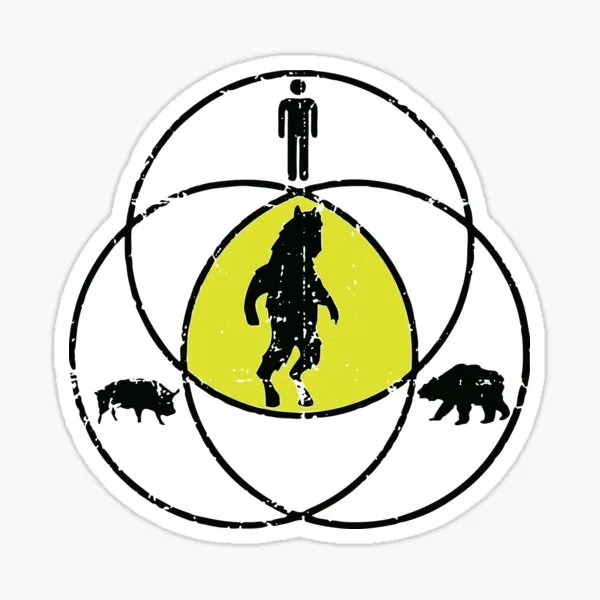
While these groups inhabit overlapping spaces (VRChat, conventions, Discord servers), their internal motivations remain distinct. A single person can move between communities in different contexts.
2. The Furry Fandom: Art, Expression, and Community
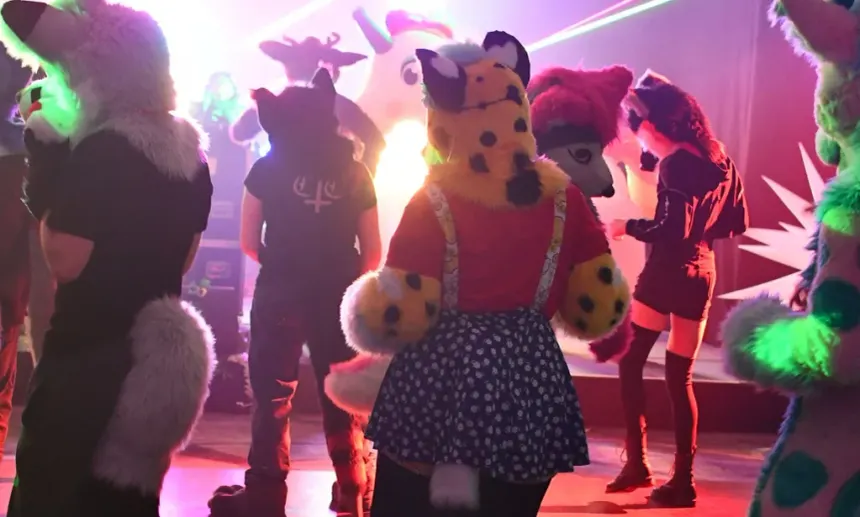
The furry fandom is the largest, most visible, and most thoroughly researched of these subcultures. Rooted in underground comics, 1970s sci-fi conventions, and early internet worlds (MUDs), it centers on the appreciation of anthropomorphic animals—creatures with human intelligence, bipedalism, and complex expressiveness.
By the Numbers
- Estimated community size: 1-2 million globally
- Academic research: 20+ peer-reviewed studies on psychological impact
- Fursuit ownership: 15-20% of fandom (due to $3,000-10,000+ costs)
- Primary platform shift: From physical conventions to VRChat (2020+)
The Concept of the Fursona
At the heart of the furry fandom is the fursona—a personalized animal character created to represent the individual within the community. For some, it’s a weekend alter-ego. For others, it’s an idealized self: projecting the confidence, sociability, or physical traits they wish to embody in daily life.
According to data from FurScience, an academic research group dedicated to fandom studies, fursonas function as psychological shields. They allow individuals who experienced bullying or social marginalization to interact in a heavily moderated, intensely accepting environment. This isn’t escapism—it’s empowerment.
Fursuits and Digital Embodiment
The Common Misconception: When media covers the fandom, it focuses on fursuits—elaborate, physical costumes. Only 15-20% of the community actually owns them due to cost ($3,000-10,000+) and the heat involved in wearing them.
The Modern Shift: The fandom has increasingly moved toward digital embodiment. Platforms like VRChat allow users to purchase, modify, and wear digital avatars. Popular bases like the Winterpaw masculine canine have become staples in the community. Users customize textures, clothing, and expressions to perfectly match their fursona.
Digital avatars are just as valid as physical fursuits. They’re more accessible, allow for greater customization, and enable full-body tracking that creates immersion at scale. The medium doesn’t diminish the connection.
A Conscious Hobby
The defining trait: Furries participate in a fandom. It is a hobby. While they feel profound connection to the community and their characters, they maintain awareness that they are humans participating in an artistic subculture.
They do not believe they are actually animals. This clarity of intent is what separates the fandom from alterhumanity.
3. Alterhumanity: Therians and Otherkin
Moving into the realm of alterhumanity—an umbrella term for individuals who identify as something other than human on a fundamental, internal level. This is not roleplay. This is not a choice.
Therianthropy (Therians)
A Therian is someone who internally identifies as a non-human animal that exists (or has existed) on Earth. Common identities include wolves, foxes, domestic cats, hawks, and other real species.
Two Primary Experiences
- Spiritual Therians: Believe their identity stems from past lives, reincarnation, or a soul that was “misplaced” in a human body. This framework is common in witchcraft and spiritual communities.
- Psychological Therians: View their identity as neurological wiring or deep psychological framework—an innate divergence in how their brain processes self-perception. This framework is grounded in contemporary neuroscience discussions.
The Experience of Shifting
A core part of the therian experience is the shift—temporary periods where non-human identity becomes more prominent.
- Mental Shifts — Thought processes align with their animal type: heightened prey drive, urge to vocalize, territorial thinking patterns
- Phantom Shifts — Vivid, sensory illusion of possessing animal body parts despite a human body: feeling tail weight, ear twitches, muzzle presence
- Sensory Shifts — Experiencing the world with heightened senses aligned to their theriotype
Important: Therians know they have human bodies. This is not clinical delusion or psychosis. It’s a non-standard internal identity that coexists with reality orientation. This distinction matters deeply.
Otherkin
Otherkin are similar to therians but identify as mythical, fantasy, or fictional entities: dragons, elves, griffins, fairies, specific fictional species. Like therians, they experience this as an involuntary, integral part of their identity.
For peer-reviewed community information, visit the Therian Guide, a resource built and maintained by the alterhuman community itself.
4. The Regression Subcultures: Petre, Petdre, and Babyfur
The final category involves subcultures centered around specific, vulnerable mental headspaces. These communities prioritize psychological safety, stress relief, and trauma recovery.
⚠️ Critical Distinction: Pet Regression and Age Regression are strictly SFW, non-sexual coping mechanisms. They are entirely separate from BDSM-based pet play or kink dynamics. While one person might participate in both communities at different times, the communities themselves have strict, non-negotiable boundaries.
Pet Regression (Petre)
Pet Regression is a psychological state where an individual’s mind enters an animalistic headspace. This often functions as a defense mechanism against severe anxiety, a symptom of neurodivergence, or a conscious coping tool to escape adult responsibilities.
When entering a pet headspace:
- Cognitive processes simplify and become present-focused
- Desire for soft textures and tactile comfort increases
- Vocalization becomes natural (whining, barking, purring)
- Comfort-seeking from trusted caretakers activates
- The world narrows to immediate experience: play, comfort, loyalty
What a Puppy-Minded Headspace Feels Like
A person in puppy headspace experiences the world through a lens of simplified joy and loyalty. They’re not pretending—their mental processes genuinely shift. Navigating life with a puppy-minded partner requires patience, clear communication, and understanding that this headspace is a vital release valve for their mental health. It strips away taxes, jobs, and social politics, leaving only the immediate, present moment.
Pet Dreamer (Petdre)
Pet Dreamers experience a strong desire to enter an animalistic headspace or experience something adjacent to regression that doesn’t fit strict “reverting to younger” definitions. They may dream of pet simplicity and engage with the community, but their internal mechanics differ slightly from standard regressors.
Babyfur, Kidfur, and Age Regression (Agere)
At the intersection of the furry fandom and regression sits Babyfur and Kidfur—furries whose roleplay centers on infant/toddler or child themes respectively.
Age Regression (Agere): Similar to pet regression, but the individual’s mental state reverts to a younger human age (toddler or child) rather than an animal state.
The Crucial Role of Caregivers
In both pet and age regression, Caregivers (handlers/caretakers) play a vital protective role:
- Remain in adult headspace to monitor and protect
- Provide emotional validation and safety
- Enforce boundaries while the regressor is vulnerable
- Ensure physical safety and consent maintenance
Caregiver dynamics are relationship-based, not service-based. These are usually partners or trusted friends, not paid services. The power differential is carefully managed within established consent frameworks.
5. Virtual Reality and the Importance of Digital Infrastructure
Because these subcultures face profound stigma in the physical world, digital infrastructure is not convenience—it’s a lifeline.
Platforms like Discord and VRChat allow communities to thrive safely. But this requires immense technical and moderation effort. A safe community hub demands intentional architecture.
Crafting VRChat Sanctuaries
For a therian experiencing a phantom shift or a pet regressor in canine headspace, the physical human body can feel wildly incongruous. VRChat solves this through total digital embodiment.
Using full-body tracking (FBT) and custom avatars, users see their movements translated into the body they feel they should have. Community developers spend countless hours in Unity creating sensory-friendly worlds.
A well-designed instance includes:
- Volume toggles and adjustable audio levels
- Physical boundaries preventing crowding
- Designated quiet zones for sensory overwhelm
- Dynamic lighting and partition systems
- Clear visual boundaries for different spaces
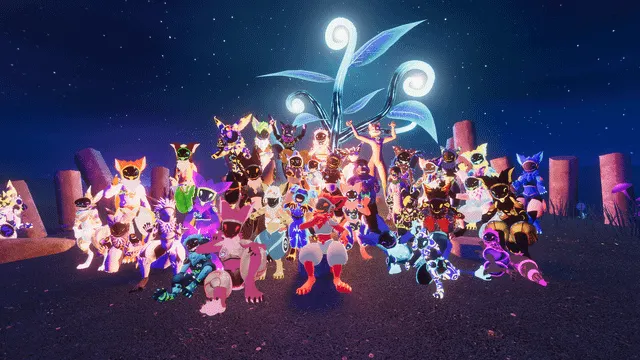 Custom VRChat worlds with built-in drawing boards, toys, and video players provide essential safe spaces for community interaction. These aren’t luxury features—they’re accessibility infrastructure.
Moderation and Safety Frameworks
Because regression involves vulnerable states, server administration must be airtight. Building safe community infrastructure requires:
- Strict Age Gating — Reliable verification systems ensuring 18+ spaces are fiercely protected, preventing minors from entering adult-oriented spaces.
- Granular Role Systems — Using Discord bots to assign specific roles, partitioning SFW regression channels entirely from general or mature chat spaces.
- Active Moderation Training — Staff trained to recognize harmless community roleplay vs. predatory behavior, with clear escalation protocols.
- Transparent Community Guidelines — Written standards that are enforced consistently, with clear consequences and appeal processes.
Well-maintained infrastructure provides the psychological safety net these subcultures require to exist peacefully.
6. Addressing the Stigma: Harm Reduction and Education
The greatest threat to these communities is public misinformation. When outsiders see a babyfur community room on a convention schedule or read about a therian experiencing a shift, they frequently filter it through moral panic.
The Psychological Consensus
Decades of psychological evaluation conclude that participation in these communities is not indicative of mental illness:
- It is not delusion — Therians know they have human bodies. They’re not experiencing clinical psychosis; they’re experiencing non-standard internal identity.
- It is therapeutic — Regression is widely acknowledged by trauma specialists as a valid, highly effective tool for processing c-PTSD and self-soothing in safe environments.
- It builds empathy — Fandom participation fosters exceptional tolerance, charitable giving, and mutual aid among members.
- It supports identity development — For neurodivergent individuals and trauma survivors, these communities often provide the acceptance and understanding that mainstream society withholds.
How to Be an Ally
Core Tenets for Allies and Community Managers:
- Respect the Terminology — Don’t call a therian’s identity a “roleplay,” and don’t call a fursona an “identity.” Use the words people use for themselves.
- Never Conflate SFW with NSFW — Don’t assume someone in a petre headspace is engaging in kink. Treat SFW spaces with the protection they require.
- Read the Room — In a VRChat instance dedicated to a specific subculture, observe local etiquette. Don’t crowd people, avoid flashing avatars in sensory-friendly zones, respect personal boundaries.
- Listen to the Community — These groups have spent decades developing safety frameworks. Trust their expertise.
7. Frequently Asked Questions
Are Furries and Therians the same thing?
No. Furries are fans of anthropomorphic art who actively choose to roleplay as characters (fursonas). Therians internally identify as non-human animals on a psychological or spiritual level. It’s the difference between a hobby and an identity.
Can someone be both a Furry and a Therian?
Yes—there’s significant overlap. Many therians participate in the furry fandom because it provides the art, avatars, and digital infrastructure (VRChat models) that help them express their true internal identity. Two distinct concepts that can coexist.
Is Pet Regression a mental illness?
No. Petre is a coping mechanism, stress relief tool, or way to explore neurodivergent traits. It’s a tool for safely processing emotions, not an illness requiring cure.
Why do these communities need dedicated Discord channels or VRChat rooms?
Because regression involves vulnerable mental states and alterhumans have specific accessibility needs, mixed general spaces can be overwhelming or unsafe. Dedicated, heavily moderated spaces allow individuals to express themselves without fear of harassment, trolling, or judgment from those unfamiliar with community norms.
Is there scientific research backing this up?
Yes. FurScience has published peer-reviewed research on the furry fandom. The International Journal of Environmental Research and Public Health has published studies on therianthropy. Regression is recognized by trauma specialists as a valid therapeutic tool. The psychological consensus is clear: these are legitimate psychological and social phenomena, not pathology.
How can I learn more about creating safe spaces?
Review the Mello Zone Safety Center and our Community Manifesto, which outline ethical frameworks for hosting and moderating identity-based community spaces.
Conclusion
The furry fandom, alterhumanity, and regression subcultures are complex, beautiful, and profoundly misunderstood ecosystems. They represent human creativity, resilience, and the deep-seated need for authentic self-expression.
By replacing judgment with education—by learning the difference between a fursona, a theriotype, and a regressed headspace—we stop alienating marginalized communities. Whether you’re an event organizer building a schedule, a developer coding infrastructure, or a creator building digital spaces, grounding your work in factual, empathetic understanding transforms a simple platform into a true sanctuary.
Why this article exists
The Mello Zone contribution: Mello Zone compares furries, therians, pet regressors, and adjacent labels through community context, self-description, behavior, consent, and boundaries so readers can recognize overlap without flattening distinct identities.
by Mello Zone Editorial Team.
Initial publication of the comprehensive educational guide on alterhuman and identity-based subcultures.
Read our sourcing, AI-assistance, and corrections policy.