Topic overview
Convention commentary needs an evidence boundary
A convention schedule, policy page, social post, attendee account, and editorial conclusion are different kinds of evidence. Official material can establish what organizers announced, but it may not explain every internal decision or attendee experience. A public complaint can identify a concern, but it does not independently prove every surrounding claim. Mello Zone convention articles name those limits so readers can see which statements are documented, attributed, disputed, or presented as the editorial team's judgment.
This is especially important when a controversy involves age labels, adult programming, identity, safety, or allegations about a person. Search traffic does not justify flattening people into a provocative headline. Articles should avoid repeating unnecessary private details, link the most direct available source, seek an organizer update when practical, and correct the record when new documentation changes a material conclusion.
Operational questions are more useful than outrage cycles
The strongest convention analysis asks what an organizer can publish or change: weather thresholds, accessible alternatives, programming labels, room access, content descriptions, incident routes, photography expectations, volunteer authority, or a post-event review. Those details let attendees plan and let organizers demonstrate improvement. A generic demand to do better may express frustration, but it gives the next planning team no testable standard.
Good commentary also presents tradeoffs honestly. Canceling a weather-sensitive event can protect people while still exposing a weak contingency plan. Adult programming can belong at a convention while a vague label leaves attendees unable to choose. A rapidly growing event can create economic and social value while placing real pressure on elevators, medical response, volunteer staffing, and neighborhood relationships. Holding two facts together produces more useful criticism than choosing a team first.
Images and participant stories require the same care
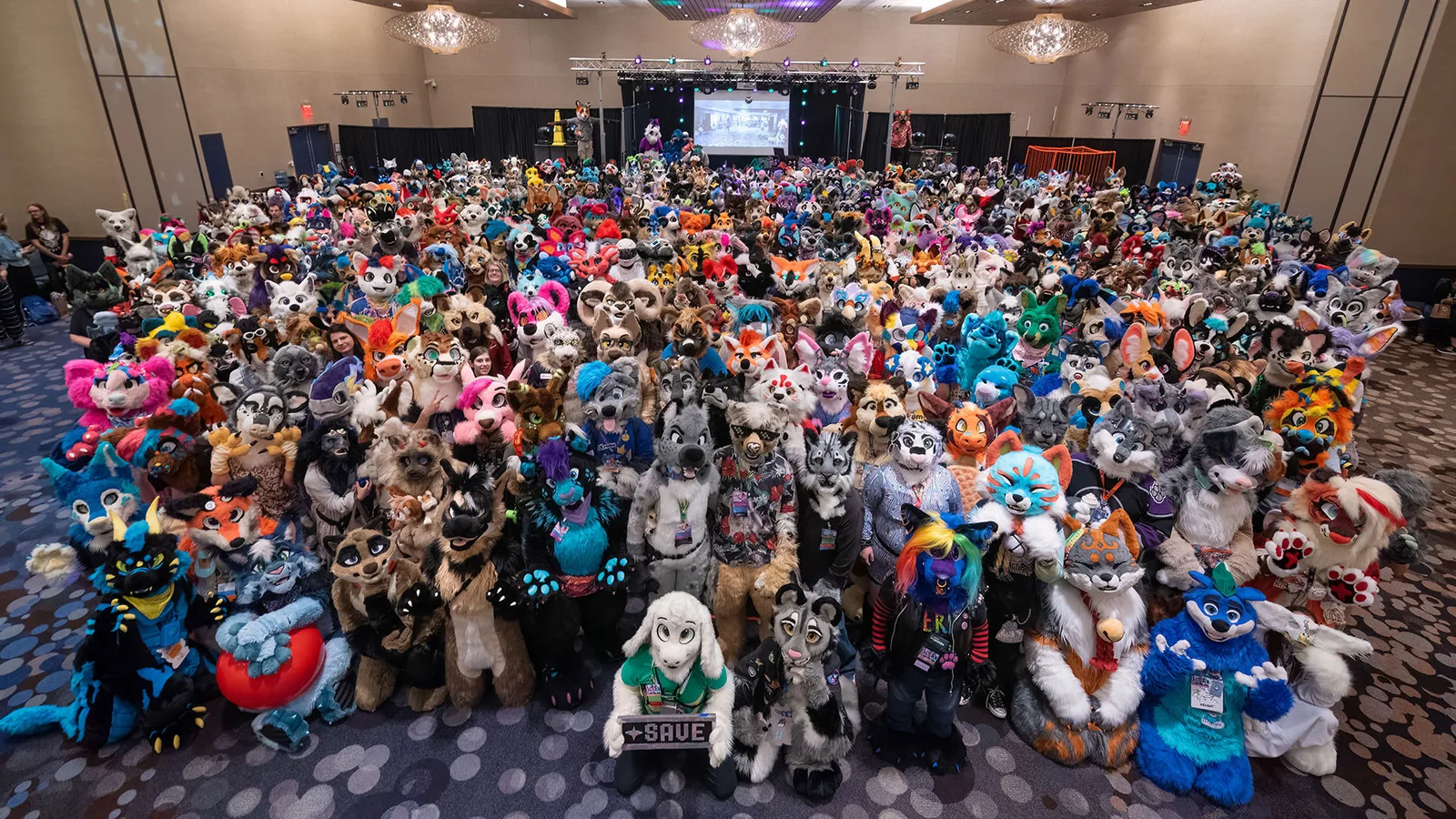
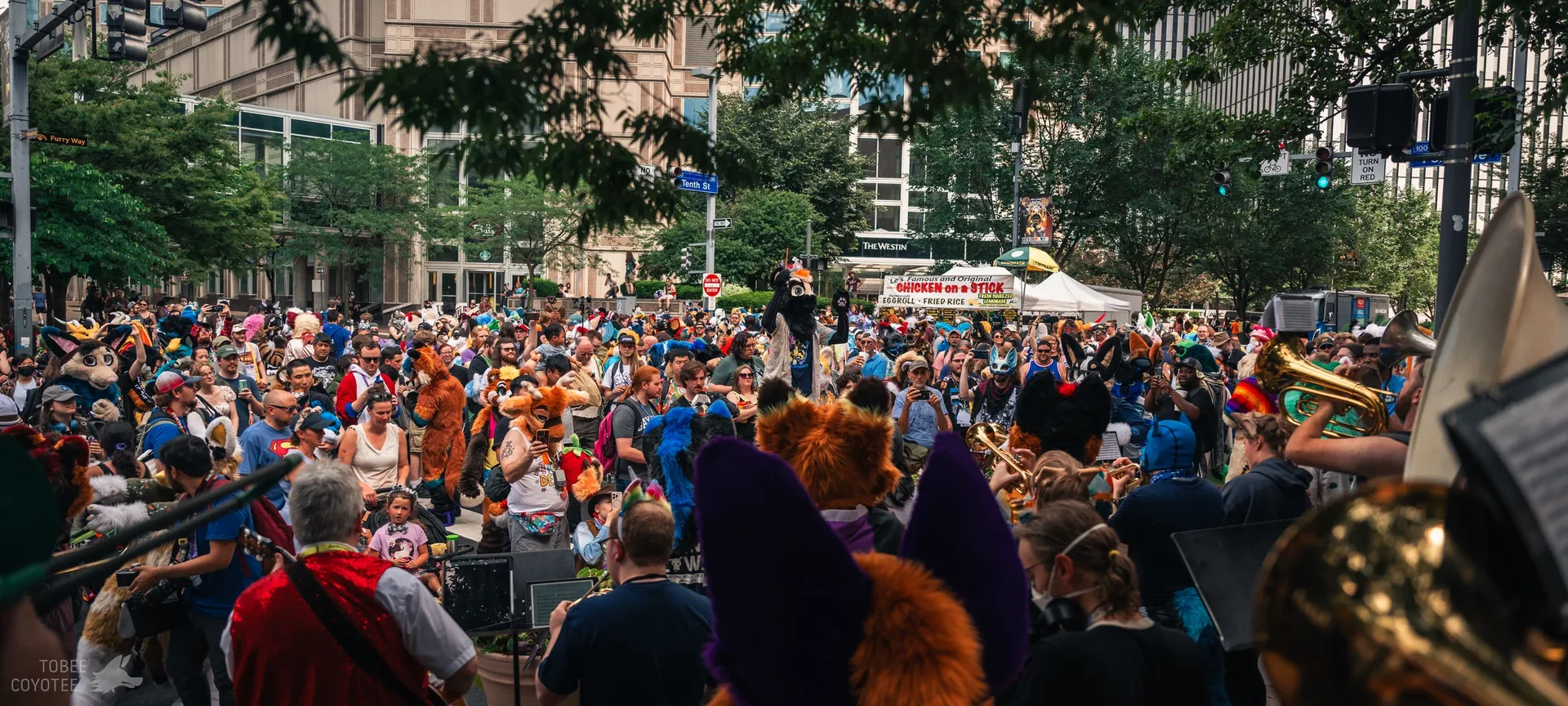
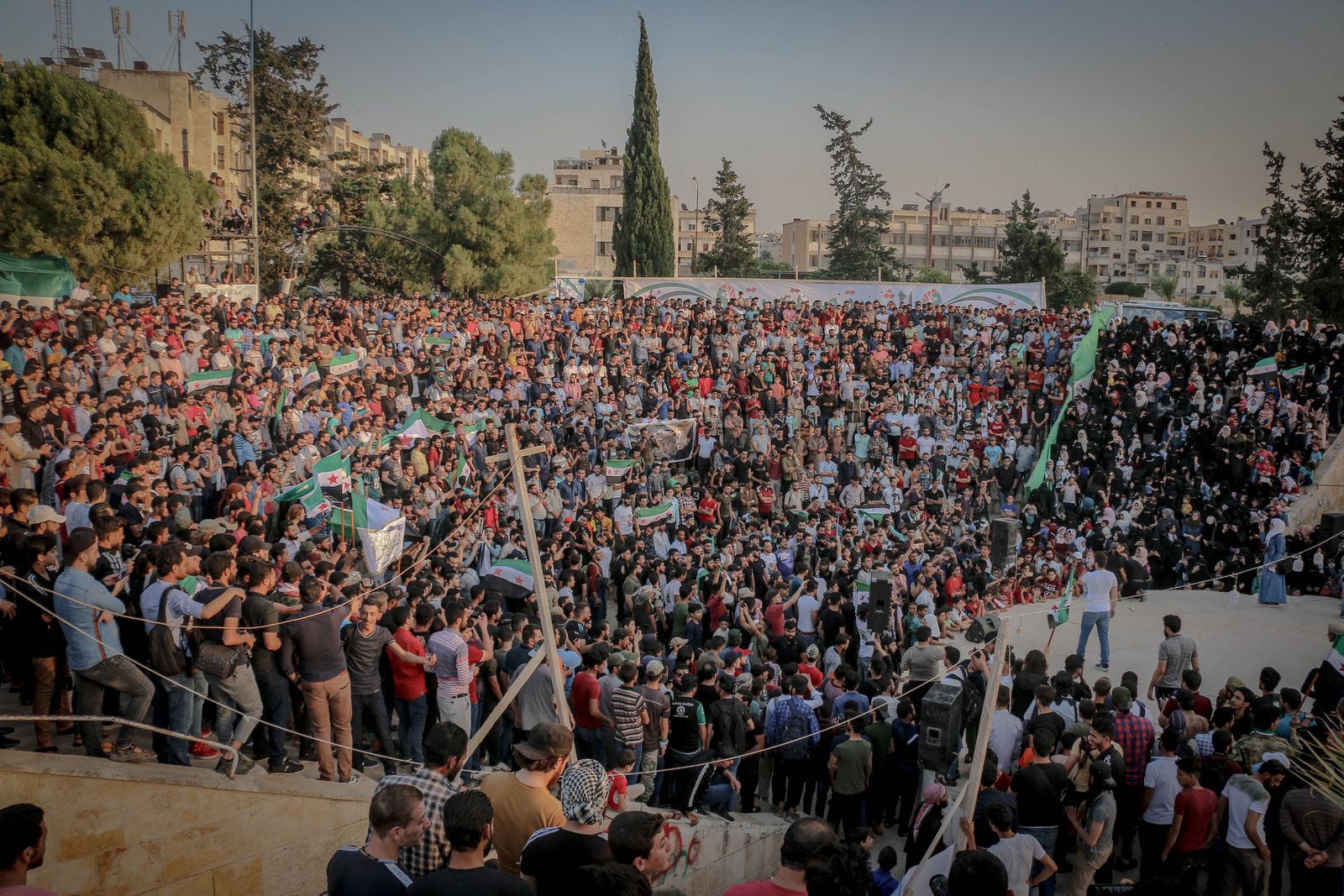
Convention photographs can contain performers, bystanders, badges, children, accessibility information, hotel details, and copyrighted costume or character work. A photographer credit is required, but credit alone does not create a license. The article record should identify the creator, source, permission or license basis, verification date, intended use, and meaningful alt text. Captions should avoid guessing identities, relationships, diagnoses, or consent from appearance.
The articles in this collection are opinion-led but source-disciplined. They cover public programming and safety decisions with direct links, maintenance dates, image provenance, and a correction path. Related event-hosting and VRChat guides translate the same principles to smaller community gatherings. Future recaps will be published only after a real event, using confirmed dates, attributable observations, participant-approved quotations, and media that the publication is authorized to use. When an image license or witness account cannot be confirmed, the responsible choice is to omit it or describe the uncertainty instead of treating a vivid asset as evidence.