The biggest furry story of 2026 is not simply that more people bought convention badges. It is that the fandom is outgrowing the old story told about it.
For years, outsiders reduced furry culture to costumes, internet jokes, or a niche hiding in the far corners of the web. That description no longer fits. The furry fandom in 2026 is a sprawling creative network built around conventions, digital art, music, VRChat, community organizing, charity work, and friendships that move freely between online and physical spaces.
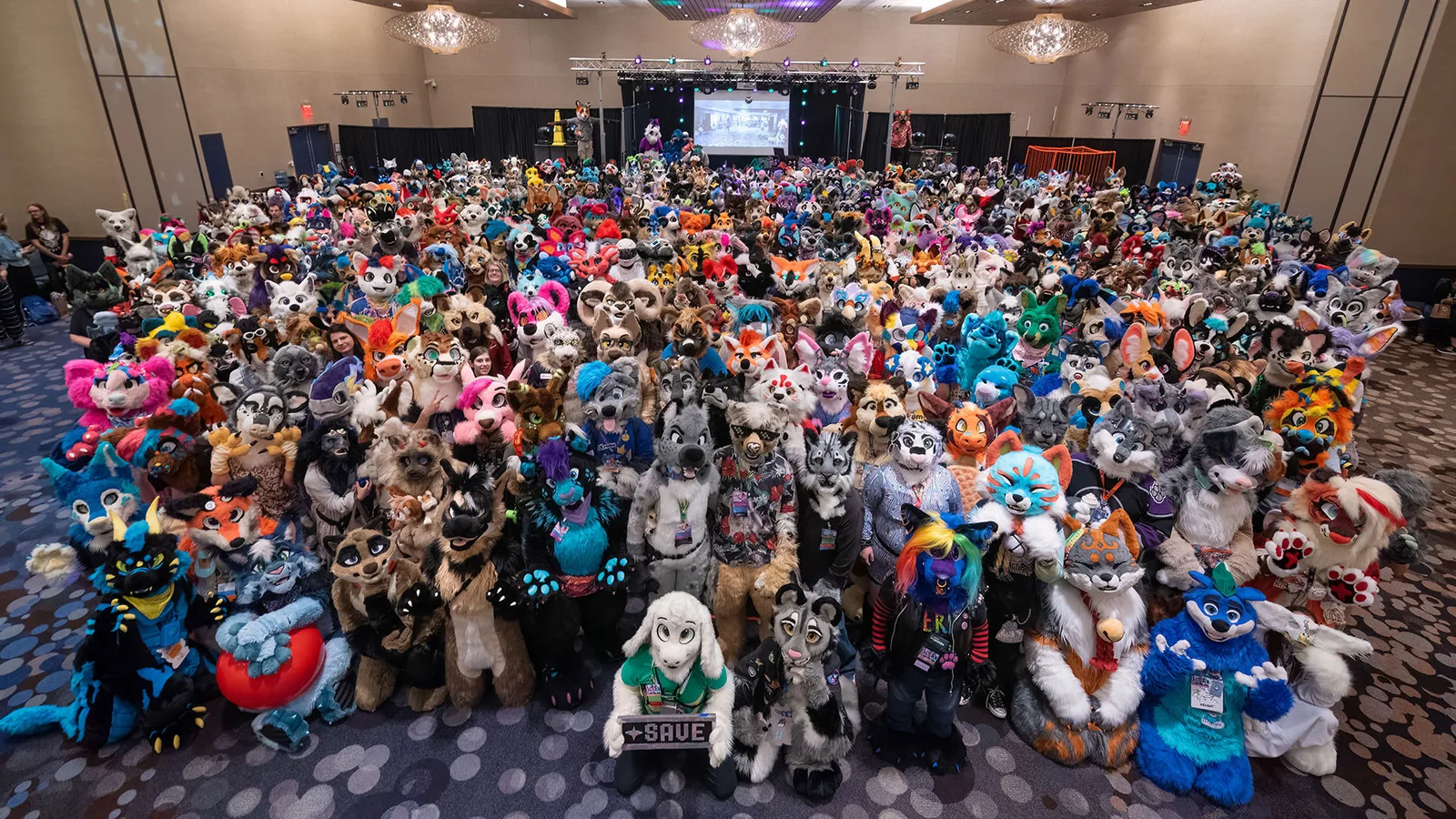
The numbers are difficult to dismiss. Anthrocon welcomed 20,618 attendees in Pittsburgh. Anthro New England reached 7,284 people. Furlandia jumped from 2,724 attendees in 2025 to 4,395 in 2026. Furry Weekend Atlanta remained enormous with 17,301 attendees, even though that total was slightly lower than its 2025 record.
Those results point to something more interesting than a temporary attendance spike. The fandom is becoming larger, more regional, more professional, and more visible. That growth is exciting, but it also creates new pressure around safety, affordability, scheduling, accessibility, and the meaning of community itself.
So, is 2026 the year furry culture finally becomes mainstream?
Not exactly.
The truth is stranger and far more interesting: the furry fandom is becoming too large, decentralized, and culturally confident to need mainstream permission.
🐾 Furry Convention Growth Is Rewriting the Scale of the Fandom
The clearest evidence of change can be found at furry conventions.
These events were once treated as unusual hotel gatherings. In 2026, the largest conventions operate more like miniature creative cities, complete with vendor economies, stage productions, workshops, nightlife, charity programs, security teams, mobile schedules, and thousands of people arriving from around the world.
Anthrocon 2026 set a new attendance record
Anthrocon reported 20,618 attendees for its 2026 event, “Critters, Cryptids & Curses.” That represents growth of roughly 12.3 percent from its 2025 attendance of 18,357.
The number matters, but Pittsburgh’s relationship with Anthrocon matters more.
The convention celebrated its twentieth year in the city, and VisitPITTSBURGH projected more than $18.6 million in direct visitor spending before the event. Anthrocon is no longer merely using Pittsburgh as a venue. It has become part of the city’s summer identity.
This is what cultural acceptance often looks like in practice.
It is not every person suddenly understanding fursonas. It is restaurants preparing themed menus, businesses welcoming attendees, residents recognizing the annual parade, and civic organizations treating furries as participants in the local economy rather than a punchline.
For more reporting and commentary on the community surrounding these events, readers can explore the broader Mello Zone blog.
Furry Weekend Atlanta remained a giant, but growth is not perfectly linear
Furry Weekend Atlanta welcomed 17,301 attendees in 2026.
That was about 2.5 percent below its 2025 record of 17,736, but it still placed FWA among the largest furry conventions in the world.
That small decline is important because it keeps the conversation honest.
“The fandom is growing” does not mean every convention will break a record every year. Venue limits, hotel prices, travel costs, scheduling, and attendee experience all influence the final number.
FWA’s response shows where large conventions are heading. Its vendor operations expanded into AmericasMart, while organizers continued addressing queues, congestion, and access across multiple downtown properties.
Growth at this scale is no longer just a marketing victory. It is an infrastructure problem wearing a very colorful lanyard.
Regional conventions are accelerating
Anthro New England reached 7,284 attendees in 2026, an increase of 1,523 people from 2025. That is approximately 26.4 percent growth in one year.
Furlandia’s rise was even sharper.
Its official 2026 statistics list 4,395 attendees, compared with 2,724 in 2025. That is growth of roughly 61.3 percent. Furlandia also reported 525 fursuiters in its parade and $6,653 raised for charity.
These regional records may be the most meaningful furry convention trend of 2026.
The future of the fandom is not one mega-event swallowing everything else. It is a constellation of strong local and regional conventions giving more people a realistic entry point.
🐺 New Furry Conventions Are Changing the Map
Large legacy conventions are only one half of the 2026 story.
Newer events are proving that a furry convention does not need decades of history to become culturally important.
Eufuria is a sharp example. The 18+ convention began as a 65-person gathering at a café in 2023. It later moved into the Albany Capital Center, drawing hundreds of attendees and returning in 2026 for “The Black Pawrade.”
Eufuria matters because Albany is where Anthrocon began in 1997.
Nearly three decades later, a new convention has brought furry programming back to the region with a different identity, different leadership, and a strong focus on queer community, health precautions, creativity, and local charity.
That history shows how fandom infrastructure regenerates. A major convention may leave a city, but the appetite for community remains for new organizers to rebuild.
Regional events also make attendance more realistic by reducing travel costs, strengthening local partnerships, and creating room for first-time panelists or vendors.
The challenge is sustainability.
Fast growth can overwhelm volunteers, contracts, moderation systems, and trust. Longevity depends on transparent policies, realistic budgets, staff care, and a pace the organization can support.
A new convention should not measure success only by how quickly it fills a venue. The better measure is whether people still trust the event after the excitement of launch year has faded.
🎨 Furry Conventions Are Becoming Immersive Worlds
Convention themes once functioned mostly as decoration.
In 2026, themes increasingly shape the entire attendee experience.
Anthro New England leaned into “It’s a Western!” Furlandia presented “Wild Wild Furry West.” Furry Weekend Atlanta built “Nowhere Inn Between,” a liminal hotel concept. Anthrocon filled Pittsburgh with cryptids, creatures, and curses.
Upcoming Eurofurence 30 is presenting a “Fantastic Furry Festival,” while Megaplex is preparing “Furries, Uh, Find a Way.”
These ideas influence badges, stages, merchandise, fursuit photos, dances, panels, social media, and attendee-made characters. A successful theme becomes a collaborative story.
That reflects the fandom’s participatory world-building.
Furries create characters, art, costumes, music, lore, props, and VRChat worlds, then invite others to add another layer. Attendees are not merely watching the event. They become part of its visual language.
That gives furry conventions an advantage many traditional fan events struggle to reproduce.
Most fandom conventions are centered around media owned by someone else. Furry culture is centered around characters and stories its members create themselves.
The audience owns the imagination engine.
🦊 The Furry Creator Economy Is Growing Up
Behind every convention statistic is an ecosystem of artists, fursuit makers, musicians, DJs, photographers, avatar creators, writers, performers, and vendors.
The scale is changing.
Character artists can build international commission bases. Unity creators sell assets to VRChat users. Musicians move between virtual clubs and physical convention stages. Fursuit makers run specialized studios with waiting lists stretching for months.
Professionalization also exposes pressure points.
Creators face chargebacks, reposting, artificial-intelligence scraping, burnout, travel costs, and audiences that underestimate custom work.
The answer is not to turn furry culture into a sterile corporate expo. It is stronger creator literacy: clearer contracts, transparent pricing, visible credit, and respect for working boundaries.
Mello Zone’s community-first approach fits this moment. A healthy fandom makes room for new talent without treating creators as endlessly available content machines.
“Support furry artists” cannot merely mean clicking like, asking for free work, or demanding constant content. It must include respecting rates, crediting creators, following commission terms, and understanding that an artist’s personal access is not included with a purchase.
The creator economy is becoming one of the fandom’s strongest engines. It can only remain healthy when the people powering it are treated as people rather than vending machines with profile pictures.
🐉 Mainstream Visibility Is Rising, but Acceptance Is Uneven
Furry culture is far more visible than it was a decade ago.
Convention photography travels widely, fursuiters appear at public events, VRChat videos reach mass audiences, and cities increasingly recognize the value of furry tourism.
Visibility is not the same as understanding.
Recycled stereotypes still reduce every furry identity to sexuality or assume every participant owns a suit.
The fandom’s growing confidence is changing that relationship. Instead of begging to be called “normal,” furries are showing what the community builds: art careers, chosen families, performances, fundraisers, technical skills, and spaces for identity experimentation.
That shift matters.
A community loses part of itself when every public explanation begins with an apology. Furry culture does not need to erase its strangeness to deserve respect.
It does need accountability.
Larger communities require stronger safety systems, clear age boundaries, accessibility, and real moderation. The Mello Zone Safety Center and guide to 18+ SFW furry communities are part of that work.
Visibility without accountability becomes branding.
Visibility with accountability becomes culture.
❤️ Charity Is Not a Side Quest
Furry conventions use their largest gatherings to support animal rescues, LGBTQ+ services, youth programs, and local organizations.
Anthrocon reported more than $86,000 raised in 2026. Furry Weekend Atlanta reported $150,000 for Lost-n-Found Youth. Anthro New England listed $50,000 for Wings of the Dawn and Queer Scouts, while Furlandia raised $6,653.
These totals challenge the idea that furry conventions are only costume parties.
They are fundraising engines powered by auctions, donations, sponsor upgrades, performances, and attendees who want their celebration to leave something useful behind.
Charity should not shield an organization from criticism, though.
A convention can raise meaningful money and still need to improve its policies, accessibility, or treatment of volunteers. Strong conventions publish results, explain where funds go, and treat community impact as an ongoing responsibility.
The best charity programs are not decorative halos placed above an event logo. They create measurable relationships between conventions and the cities hosting them.
That relationship is part of what allows fandom spaces to become lasting institutions instead of temporary hotel takeovers.
⚠️ The Fandom Is Running Into a Scheduling Problem
Growth creates an awkward consequence: major furry conventions now compete for the same weekends, vendors, performers, volunteers, and travel budgets.
Eurofurence 30 runs August 19 through 23, 2026 in Hamburg.
Megaplex runs August 21 through 23 in Orlando.
The overlap forces some travelers and creators to choose between two major events on different continents.
A vendor cannot duplicate inventory and staff across two cities, and a performer cannot headline two stages at once.
Perfect coordination is impossible when venues offer limited dates, but organizers can publish schedules earlier, maintain cross-event calendars, and avoid preventable regional conflicts.
The furry convention calendar is becoming an ecosystem.
It becomes fragile when every organization plans as though it exists alone.
Scheduling conflicts also reveal a broader affordability problem. Even when two events do not overlap, most people cannot attend every convention competing for attention.
Flights, hotel rooms, badges, food, commissions, merchandise, and transportation can turn one weekend into a four-figure expense.
The next stage of furry convention growth should therefore include more discussion about affordability, room sharing safety, public transportation, virtual programming, and community events that do not require luxury travel budgets.
🥽 VRChat Is Blurring the Line Between Online and Offline Furry Culture
The furry fandom’s growth cannot be explained by physical conventions alone.
VRChat has become a major social doorway into the community.
A person can create or buy an avatar, enter a furry world, attend a meetup, watch a DJ, and build friendships before ever purchasing a convention badge.
For people limited by disability, distance, finances, anxiety, or family circumstances, virtual spaces can be the most accessible version of the fandom.
Online relationships increasingly move into physical life.
VRChat friend groups arrange convention meetups, digital DJs reach real stages, and avatar creators meet customers in person.
The old split between “internet furry” and “real-world furry” is collapsing. The fandom is hybrid by default.
Digital safety is therefore part of convention safety.
Communities need rules for recording, consent, age assurance, harassment, and private information. Mello Zone’s Discord age-assurance guide and privacy policy frame those responsibilities without treating surveillance as safety.
The platforms may change, but the community follows people across them.
A conflict that begins in VRChat can enter Discord. A Discord friend group can meet at Anthrocon. A convention video can reach TikTok. A creator discovered through TikTok can become a VRChat event host.
Modern furry communities cannot moderate each platform as though it exists inside a sealed jar.
🌈 The Real Cultural Shift: Furry Is Becoming Infrastructure
The most important furry community trend in 2026 is not raw attendance.
It is infrastructure.
The fandom now has conventions large enough to influence city economies, regional events building new local traditions, creator markets supporting specialized careers, virtual spaces operating every night, safety teams writing detailed policies, and nonprofit organizations directing substantial charity fundraising.
That infrastructure changes what belonging means.
A newcomer no longer enters through one narrow gate. They may discover furry culture through TikTok, a VRChat world, an artist’s livestream, a local meetup, a convention dance video, or a friend who quietly reveals a fursona they have had for years.
The result is a culture with many centers.
That decentralization makes the furry fandom resilient. It also makes it harder for any single organization, influencer, or convention to define what the fandom is supposed to be.
Good.
The furry fandom has never needed a single approved shape. Its strength comes from people constructing identities and communities together.
The task now is to make that freedom sustainable.
That means treating moderation as community care rather than public relations. It means designing events for disabled and neurodivergent attendees. It means protecting artists from exploitation.
It means creating adult spaces with clear boundaries and youth spaces with serious safeguarding. It means giving volunteers rest, training, and respect before burnout hollows out the organizations everyone depends upon.
Growth without care creates a bigger crowd.
Growth with care creates a future.
🔮 What Happens Next for the Furry Fandom?
The rest of 2026 will test whether the fandom can manage its own momentum.
Eurofurence 30 will bring an international crowd to Hamburg. Megaplex will continue the expansion of large-scale furry events in Florida. New and regional conventions will compete for attention while building identities that are not merely smaller copies of legacy events.
Expect social VR to become even more entangled with convention programming.
Expect professional creators to demand better tools and boundaries.
Expect cities to pay closer attention to the economic value of furry tourism.
Expect ongoing debates about age restrictions, NSFW separation, accessibility, privacy, and what organizers owe the people who trust them.
None of those debates are evidence that the fandom is failing.
They are evidence that it has become large enough for its decisions to matter.
Continue through Mello Zone’s convention reporting
The attendance totals make more sense beside the operating decisions behind them. Mello Zone’s coverage of the Anthrocon parade cancellation and extreme-heat planning examines the public-space tradeoff; the DenFur adult-programming label analysis looks at how a convention communicates content boundaries; and the Fur Squared 2027 registration update tracks the next decision an attendee can actually make.
For scale and planning context, compare the Furry Weekend Atlanta mini-city analysis with the maintained August and September 2026 convention guide. Those pieces serve different jobs: one interprets what large-event scale changes, while the other helps readers verify dates, access, and next steps.
💬 Frequently Asked Questions About the Furry Fandom in 2026
Is the furry fandom growing in 2026?
Yes, although growth varies by event. Anthrocon, Anthro New England, and Furlandia reported record attendance in 2026.
Furry Weekend Atlanta remained one of the world’s largest furry conventions, despite attendance being slightly below its 2025 record.
What was the largest furry convention in 2026?
As of August 5, Anthrocon had reported the largest 2026 in-person attendance total at 20,618.
The convention took place in Pittsburgh from July 2 through July 5.
Why are furry conventions becoming so popular?
Growth comes from online visibility, social media, VRChat, regional events, creator businesses, and stronger community networks.
Furry conventions also provide something difficult to reproduce through ordinary social media: a physical gathering built around identities and characters created by the attendees themselves.
Do all furries own fursuits?
No.
Many participants focus on art, writing, gaming, music, avatars, photography, collecting, roleplay, technology, or social events.
Fursuits are highly visible, but they represent only one part of the fandom.
Are furry conventions only about costumes?
No.
They include panels, art markets, performances, dances, workshops, charity auctions, gaming, educational sessions, and creator meetups.
Is furry culture becoming mainstream?
It is more visible and locally accepted, especially in convention cities.
It remains a distinct subculture but no longer depends on obscurity to survive.
🐾 Final Takeaway: 2026 Is a Turning Point
The furry fandom in 2026 is not simply bigger.
It is becoming a mature cultural network with real economic power, creative careers, charitable impact, digital infrastructure, and regional roots.
Anthrocon’s record shows the ceiling is still rising. Anthro New England and Furlandia show that growth is spreading beyond the largest names. Eufuria shows that new conventions can quickly become meaningful local institutions.
FWA shows that even giant events must balance ambition with logistics and attendee experience.
The next chapter will not be determined by whether outsiders finally decide furries are normal.
Normality is a small prize for a culture built on impossible animals, handmade identities, and collaborative worlds.
The better question is whether the fandom can scale its values alongside its attendance.
Can it remain creative without exploiting creators?
Can it become safer without becoming invasive?
Can conventions grow without exhausting volunteers?
Can online communities welcome people without sacrificing privacy?
Can visibility create understanding instead of only attention?
Those are difficult questions, but they are the right ones.
The furry fandom has already proven it can build worlds.
In 2026, it is learning how to keep them standing.
Why this article exists
The Mello Zone contribution: Mello Zone connects current convention attendance, regional growth, charity results, creator activity, and social-VR participation into one community-level reading of where the fandom is moving.
by Mello Zone Editorial Team.
Added a source-connected path into Mello Zone's event reporting so attendance, content-boundary, registration, heat-planning, and scale analysis reinforce one another.
Read our sourcing, AI-assistance, and corrections policy.
Source links recorded for this article
- Anthrocon official website
- Anthrocon furry community and convention growth report
- Visit PITTSBURGH Anthrocon 2026 announcement
- Furry Weekend Atlanta official website
- Anthro New England official website
- Furlandia 2026 official statistics
- Eufuria official website
- Eurofurence 30 official website
- Megaplex official website
- Mello Zone community manifesto
- Mello Zone safety center
- Mello Zone privacy policy