Topic overview
Visibility does not transfer ownership or consent
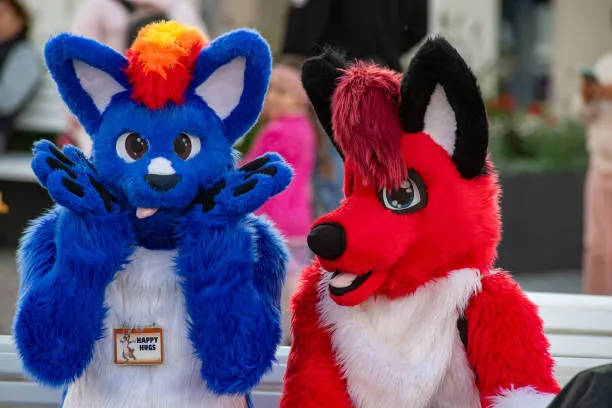
Art, music, writing, video, fursuit photography, avatars, and VRChat captures can be publicly viewable while remaining controlled by their creators and subjects. Credit is important, but a credit line does not create permission to copy, edit, monetize, or feature a work. The safest default for a community publisher is to ask, record the approved scope, link to the original, and avoid downloading the work when a contextual link will serve the reader just as well.
Attribution should be useful rather than ceremonial. It should name the creator as they request, identify the work when practical, link to an official page, and mention a license or permission basis when one applies. Cropping, overlays, translations, alt text, thumbnails, and promotional reuse may require separate discussion. The reposting guide provides a practical permission message and a correction workflow for mistakes.
Creator platforms have different purposes and norms
Fur Affinity, SoFurry, and Weasyl provide different forms of gallery, writing, music, profile, and community infrastructure. BARQ is a furry social app rather than an art archive, while WikiFur is an encyclopedia. A creator may use several of these destinations alongside a personal site, Bandcamp, Bluesky, YouTube, or a convention profile. Publishers should link to the destination the creator identifies as authoritative instead of assuming the largest profile is the preferred one.
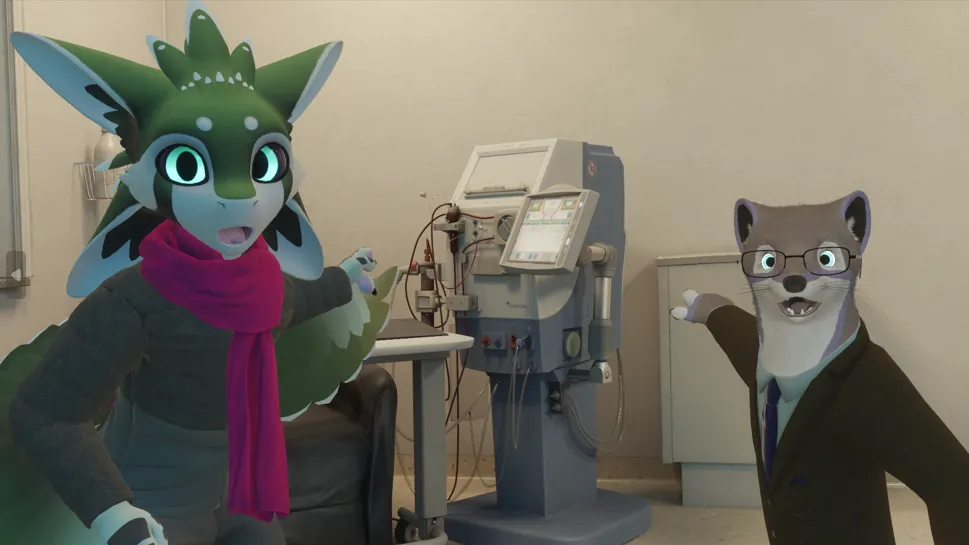
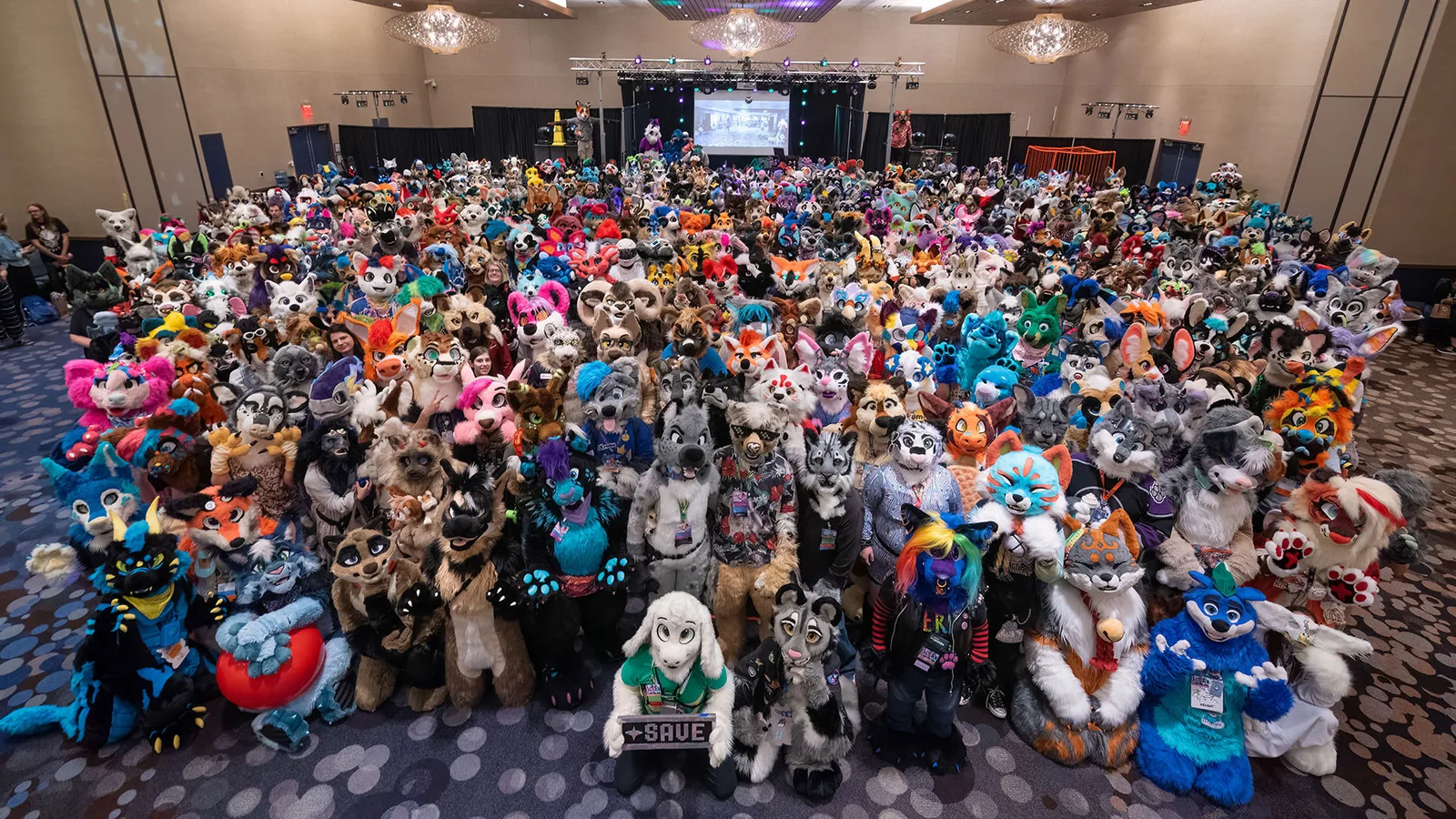
Platform rules do not replace creator permission. A technically shareable post may still be a poor fit for an unrelated promotional feature, and a screenshot may contain layered rights or privacy interests from an avatar maker, photographer, world creator, performer, and visible attendee. The niche platform guide explains these distinctions so readers can find work without treating every furry site as interchangeable.
Interviews should preserve the creator's voice
A meaningful creator interview is not a rewritten biography assembled from search snippets. It uses questions the participant agreed to answer, keeps quotations tied to the speaker, confirms names and official links, identifies material edits, and lets the participant flag private or unsafe details before publication. Editorial context can explain a catalog or practice, but interpretation should be labeled as interpretation rather than placed in the creator's mouth.
The NIIC spotlight in this cluster is source-led rather than presented as an interview. It directs readers to NIIC's official catalog and clearly separates verified release information from editorial reading. Future interviews will be published only with actual answers and consent records. The production templates added to this project require attribution, image provenance, review dates, correction contact, and a change summary before a story can be considered ready.
Readers can support that standard by opening official creator links, sharing the original post instead of an uncredited copy, and asking before moving work into another community. When a credit or permission record is wrong, a prompt correction protects both the creator and the usefulness of the publication.