
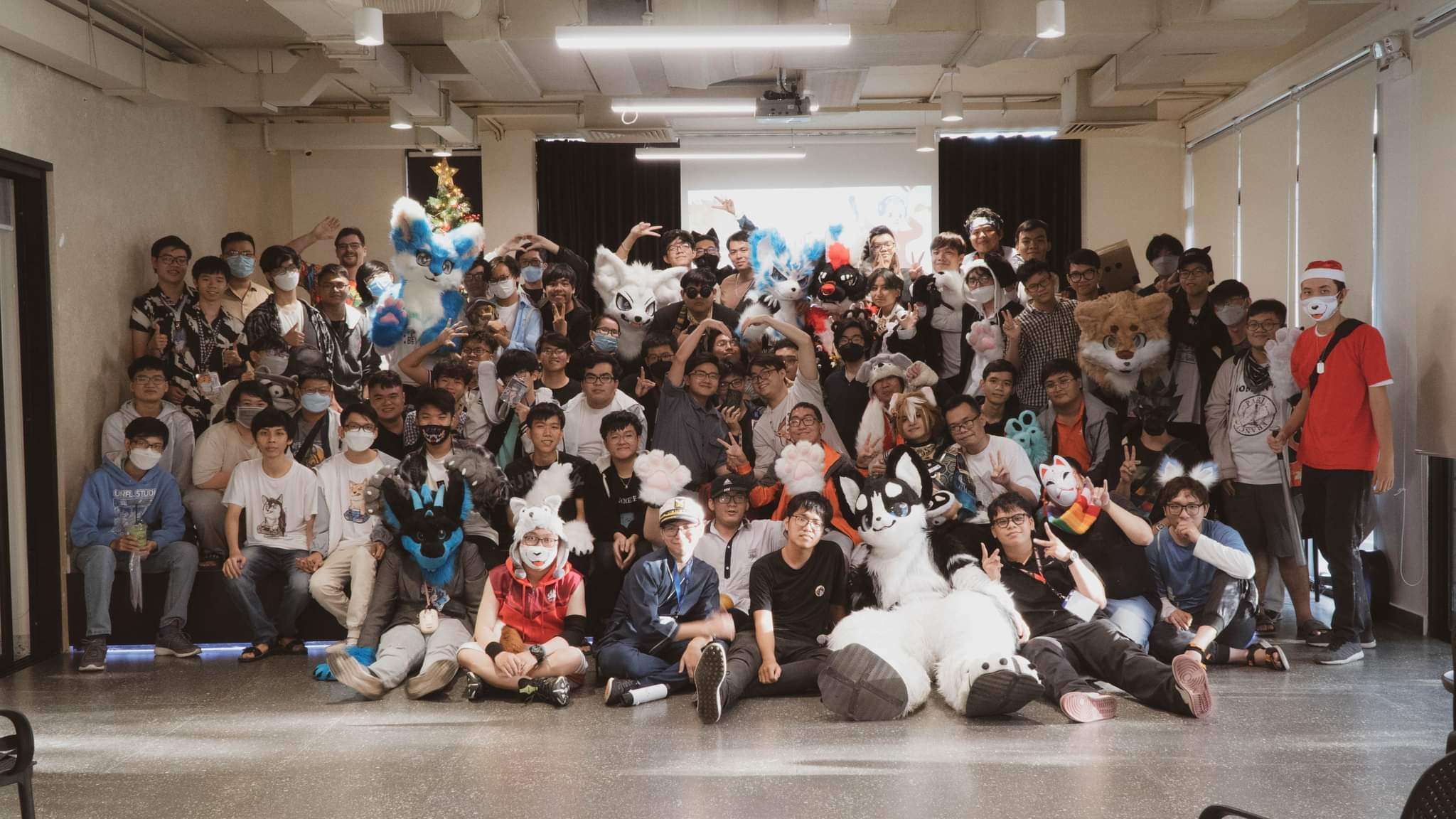
Furry fandom myths often replace a varied creative community with one sensational stereotype. The furry fandom facts are less dramatic: people gather around anthropomorphic art, characters, costumes, games, and friendships, while individual communities set their own age and content rules. This guide separates documented evidence from internet repetition and links readers to the research behind each conclusion.
If you’ve spent any time online, you’ve probably heard at least one “fact” about furries that turned out to be completely made up. Consider this the editorial version of setting the record straight: what’s actually true, what’s rumor, and why the gap between the two got so wide in the first place. Readers looking for community boundaries can also start with our explanation of how an 18+ SFW furry community differs from an NSFW space.
What the Furry Fandom Actually Is
At its core, the furry fandom is a community of people who share an interest in anthropomorphic animal characters — animals drawn, written, or embodied with human traits like walking upright, talking, and having personalities, jobs, and relationships. Think Zootopia, Robin Hood’s fox, or a fursona designed specifically to represent one person’s personality and interests. FurScience’s introductory overview describes the same broad creative and social foundation.
That interest shows up in a lot of different forms: digital art and commissions, fiction and roleplay, custom fursona design, fursuits, conventions, Discord servers, and increasingly, social VR spaces like VRChat, where a fursona becomes a fully animated avatar someone spends hours a day inhabiting alongside friends. Our guide to furry community platforms and sites explains how those spaces differ instead of treating the fandom as one centralized network.
None of that is new, either. Giving animals human characteristics goes back to Aesop’s fables, animal-headed gods in ancient mythology, and a century of cartoon mascots. The furry fandom just turned that instinct into an organized, modern hobby with its own artists, conventions, and online culture.
Why Furry Fandom Myths Spread So Easily
A few things make this fandom an easy target for rumor and exaggeration:
- Fursuits are visually unusual. A costume built like a walking cartoon character is the kind of thing a camera loves and a headline writer can’t resist, even though most furries never own one.
- A small, visible minority gets treated as the whole group. Every large fandom has a subset of adult content or edgier corners. In the furry fandom, that minority became the entire public stereotype — the same way a handful of loud outliers get treated as representative of much bigger, more ordinary communities.
- Repetition makes rumors feel true. Psychologists call this the illusory truth effect — the more a claim gets repeated, even after it’s debunked, the more familiar and believable it feels, regardless of the facts.
- Furries make an easy target in unrelated arguments. The fandom has repeatedly gotten pulled into fights that have nothing to do with it — most famously, the false claim about school litter boxes, which is worth unpacking on its own below.
These furry fandom stereotypes travel because they are visually memorable and easy to repeat, not because the evidence supports them. That distinction matters whenever a viral post claims to explain what is furry fandom really about without talking to researchers, artists, organizers, or ordinary participants.
Furry Fandom Myths vs. Facts: The Big Claims
Myth: “Is Furry a Fetish?”
This is the oldest and most repeated furry stereotype, and it doesn’t hold up against the actual data. The International Anthropomorphic Research Project (IARP), publishing as FurScience, has surveyed more than 15,000 furries over more than a decade of academic research. Its published furry research findings point to a fandom that’s overwhelmingly about creativity and community — art, fursona design, friendships, and shared fiction. Adult content exists in furry spaces the same way it exists in most large online fandoms, but it isn’t the throughline that defines most members’ involvement. Most furry spaces and most furry content are entirely safe for work.
Myth: “Furries Think They’re Actually Animals”
This one confuses roleplay and identity for delusion. A fursona is a creative avatar — a character someone designs to represent parts of their personality, the same way a writer creates a protagonist or a gamer builds a custom character. FurScience’s research backs this up directly: while most furries say their fursona reflects real traits of theirs, the large majority reject the idea that they were literally their fursona’s species in some past life. It’s self-expression, not a claim about identity or biology.
Myth: “Schools Are Putting Litter Boxes in Bathrooms for Furry Students”
This is the single most thoroughly fact-checked rumor connected to the fandom, and it’s worth walking through because it shows exactly how a myth like this spreads. Starting in early 2022, a claim began circulating that schools were installing litter boxes in bathrooms for students who “identify as cats” or furries. It got picked up by political commentators, local school board candidates, and eventually sitting lawmakers.
Fact-checking organizations, along with investigations by national news outlets, looked into specific versions of the claim in multiple states and found no evidence to support any of them. School districts named in the rumor — from Michigan to North Carolina to Minnesota — issued public statements denying it outright, in some cases repeatedly, as the same story kept resurfacing in new towns even after being disproven in the last one. PolitiFact’s review of the repeated school claims documents that pattern. Searches framed as “litter box hoax furries” can therefore confuse the people targeted by the rumor with the people who created and amplified it.
Myth: “Every Furry Wears a Fursuit”
Fursuits are the fandom’s most recognizable symbol, but they’re far from universal. Research from FurScience puts fursuit ownership at roughly 10-15% of furries. The rest of the fandom expresses their interest through art, writing, forums, Discord communities, gaming, or a fursona that only exists as a profile picture or a VRChat avatar. Owning a costume was never the entry requirement.
Myth: “It’s a Cult or a Highly Organized Group”
There’s no central leadership, doctrine, or membership process. The furry fandom is a loose, global interest community held together by independent conventions, artists, and online spaces — structurally closer to anime fandom or the sci-fi convention circuit than anything resembling an organization with a hierarchy.
Myth: “Furries Are All Socially Isolated or Struggling”
Every large community includes people dealing with individual struggles — that’s true of sports fandoms, gaming communities, and hobbyist groups generally, and it isn’t unique to furries. If anything, research on fandom participation points the other way: being part of an accepting community tends to function as a protective factor, contributing to friendship, creative confidence, and a sense of belonging for a lot of members.
What Everyday Furry Community Life Actually Looks Like
Strip away the rumors and most furry fandom activity looks pretty ordinary: commissioning a piece of art from a favorite artist, redesigning a fursona over the years, chatting in a Discord server, or hanging out with friends as fursona avatars in VRChat. Conventions run panels, art shows, and dances, and many of them raise real money for animal welfare and rescue charities as part of their programming. It’s also long been documented as one of the more LGBTQ-inclusive fan spaces around, largely because a fursona lets someone express identity and gender however they want without it being the center of every conversation. When sharing that work, our creator attribution and reposting guide shows how to preserve credit and permission.
None of that makes for a viral headline. It’s just what community looks like once the rumor gets removed from the picture.
Why Getting This Right Actually Matters
Myths like these aren’t just annoying — they have real consequences. Furries have lost jobs, been outed to family members who only knew the stereotype, and faced online harassment based entirely on claims that turned out to be false. School staff have had to spend time and public trust knocking down a hoax instead of handling actual student needs. Getting the facts straight isn’t about defending every corner of a hobby uncritically — it’s about not letting a stereotype stand in for tens of thousands of real people.
How to Engage With the Fandom (For the Curious)
- Follow a furry artist or two before forming an opinion from a meme.
- Ask questions instead of assuming — most furries are happy to explain their fursona or how they got into the fandom.
- If you’re curious about trying it yourself, start small: sketch out a fursona concept, join a beginner-friendly Discord, or watch a con recap video before committing to anything bigger.
- Remember that “furry” describes an interest, not a single personality type, age group, or set of intentions.
For social VR specifically, use the practical planning and consent steps in our safer VRChat furry meetup guide before joining or hosting a gathering.
Frequently Asked Questions
Is the furry fandom a fetish?
No. Large-scale academic research on tens of thousands of furries shows the fandom is primarily about art, community, and creative self-expression. Adult content exists in furry spaces the way it does in most large fandoms, but it isn’t what defines the community as a whole.
Do furries think they’re animals?
No. A fursona is a designed character used for creative expression and roleplay, similar to a writer’s protagonist or a gamer’s custom avatar — not a literal identity claim.
Are there really litter boxes in schools for furries?
No. This claim has been investigated and debunked by fact-checkers and school districts across multiple states since it began circulating in 2022, and no evidence has ever supported it.
Do all furries own fursuits?
No. Research estimates only about 10-15% of furries own a fursuit. Most participate through art, writing, online communities, gaming, or a fursona used purely as a digital avatar.
Is the furry fandom just for one age group?
No. The community spans teenagers through adults, with most members reporting they got involved through art, animation, or games rather than any single entry point.
The Bottom Line
Most of what circulates about the furry fandom online didn’t come from the fandom itself — it came from outsiders repeating a rumor that was easier to believe than to fact-check. The actual community is a lot less scandalous and a lot more ordinary than the headlines suggest: people who like drawing and designing animal characters, building friendships around that interest, and occasionally putting on a costume to do it in person.
Why this article exists
The Mello Zone contribution: Mello Zone pairs fandom research with observations from operating inside furry and VRChat communities to test recurring myths against what members, creators, events, and community spaces actually do.
by Mello Zone Editorial Team.
Fact-checked the claims, repaired image attribution, strengthened keyword coverage, and added contextual internal and primary-source links.